
Health Properties and Benefits of Saffron: Usage Methods, Recommended Dosage, and Important Tips
Active Compounds in Saffron: The Secret to Health in Red Stigmas
The nutritional and medicinal value of saffron is due to its powerful antioxidant compounds. These substances protect the body’s cells against oxidative stress. The most important ones include:
- Crocin and Crocetin: Responsible for the red color and possessing antidepressant and neuroprotective properties.
- Safranal: The source of saffron’s unique aroma, which helps improve mood and sleep quality.
- Kaempferol: An antioxidant found in saffron petals with anti-inflammatory and anti-cancer properties.
To benefit from these compounds, identifying the authenticity of the product is vital. We recommend reading our article on Saffron Quality and Authenticity.

Scientific Health Benefits of Saffron
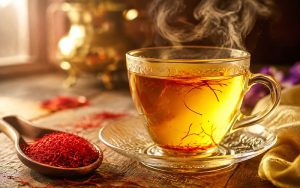
Drinking a hot cup of saffron infusion is the best way to enjoy the calming and mood-lifting properties of this “red gold.”
1. Improving Mood and Fighting Depression
Saffron is known as the “Sunshine Spice.” Studies show that regular consumption of saffron extract can be as effective as common antidepressants in treating mild to moderate depression. This herb boosts serotonin levels in the brain, promoting feelings of happiness and relaxation.
2. Cardiovascular Health
The antioxidants in saffron can help lower cholesterol and prevent artery clogging. According to WebMD reports, saffron reduces the risk of heart disease by improving blood circulation.
3. Memory Enhancement and Alzheimer’s Prevention
The compound Crocin plays a protective role for the nervous system. Research suggests it can improve cognitive functions in people with mild Alzheimer’s and slow down the process of brain cell degradation.
4. Reducing Premenstrual Syndrome (PMS) Symptoms
Consuming saffron tea or extract can significantly reduce symptoms such as irritability, headaches, and abdominal pain associated with PMS.
Proper Usage and Storage of Saffron
To maximize the medicinal benefits, preparation is key. The best method is grinding the stigmas and brewing them with hot water or ice to release the full color and aroma. For more details, see our guide on Saffron Usage and Storage Methods.

Summary Table: Dosage and Effects
| Daily Dosage | Therapeutic Goal | Safety Note |
|---|---|---|
| 30 mg | Mood and Depression | Standard dose in research |
| Less than 1.5 g | General use and Cooking | Completely safe for most |
| More than 5 g | – | Danger: Risk of Toxicity |
Potential Side Effects and Precautions
Despite its benefits, excessive consumption can cause dizziness, nausea, and loss of appetite. The following groups should be cautious:
- Pregnant Women: High doses of saffron may cause uterine contractions and miscarriage.
- Bipolar Patients: Saffron may trigger mania in these individuals.
If you are planning to buy, ensure you get it from reputable sources to receive a pure product. Study our Saffron Buying Guide to make a better choice.
Conclusion
Saffron is a unique natural supplement for enhancing mental and physical health. By following the correct dosage and choosing high-quality saffron, you can enjoy its amazing benefits. At Saffron Traders, we are committed to providing the finest Iranian saffron products with guaranteed authenticity.
Frequently Asked Questions (FAQ)
How much saffron can be consumed daily?
For general consumption, a small amount in food or tea (approx. 0.1g) is safe. In clinical studies, 30mg of standardized extract is often used.
Is saffron good for sleep?
Yes, consuming a mild saffron tea 1-2 hours before bed can help improve sleep quality due to its calming effects.
Is saffron safe during pregnancy?
Normal amounts used in cooking are generally fine, but avoid medicinal doses or concentrated extracts as they can be dangerous. Always consult your doctor.
Can saffron help with weight loss?
Saffron may help control appetite and reduce stress-related snacking, which can assist in weight management.